
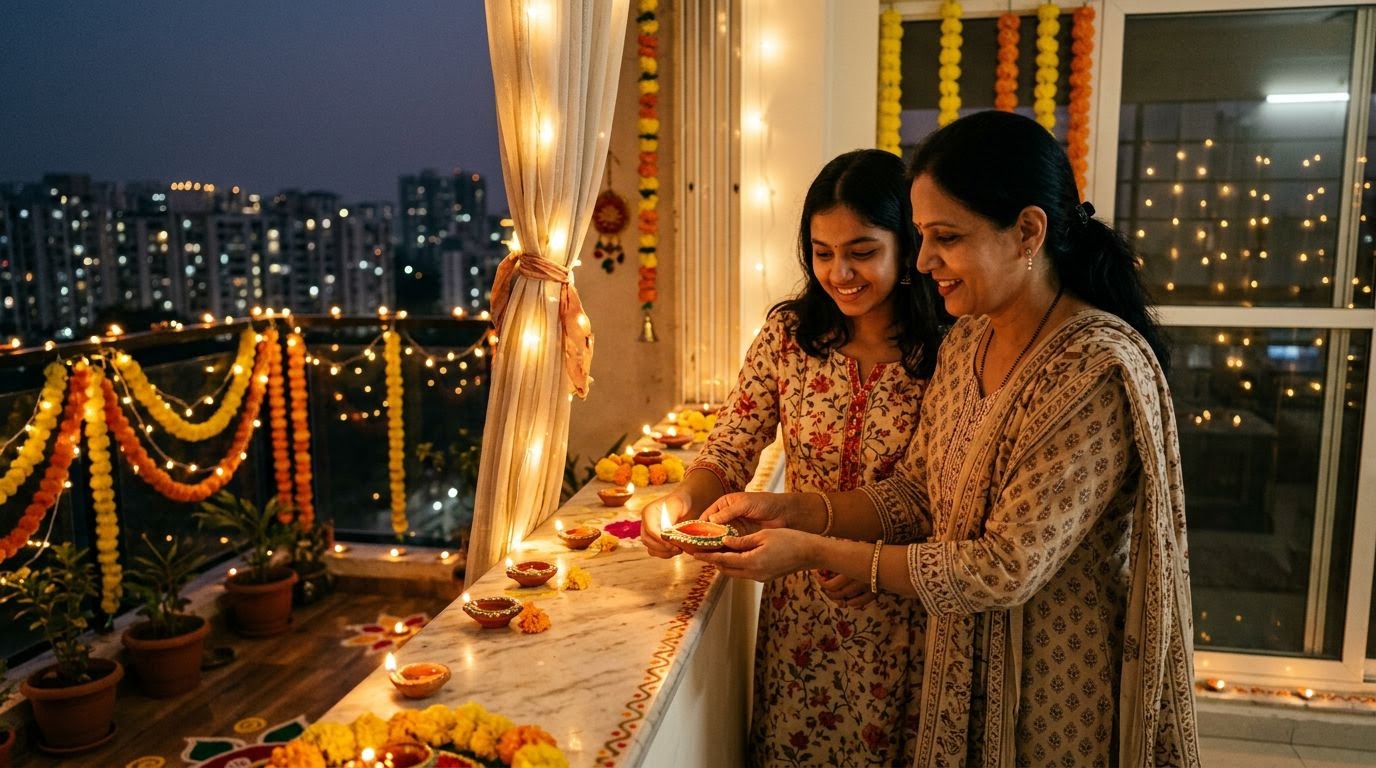
Festive celebrations can quickly turn hazardous without proper precautions. This guide outlines essential Diwali fire safety rules for handling firecrackers, diyas, and electrical decorations, along with critical first aid steps for festival burns.
Introduction to Festive Fire Risks
Diwali, the festival of lights, is one of the most widely celebrated occasions in India, bringing families together to share sweets, light traditional diyas, and burst firecrackers. However, the festive season also witnesses a sharp spike in emergency room visits due to accidental fires and burn injuries. According to medical and municipal records across major Indian cities, fire-related calls double or triple on Diwali night. Most of these incidents are entirely preventable and stem from minor oversights in handling open flames, faulty electrical wiring, or improper firecracker usage. Practising strict diwali fire safety is crucial to ensuring that the celebrations remain joyous and free from tragedy.
By understanding the risks associated with traditional oil lamps, modern LED string lights, and fireworks, households and residential complexes can create a secure environment. This comprehensive guide outlines practical, actionable safety measures for Indian homes, housing societies, and commercial spaces to manage diya safety, execute proper firecracker safety, and administer immediate first aid for festival burns.
The Physics and Rules of Diya Safety
Traditional clay diyas are the soul of Diwali, but an open flame left unattended is a constant hazard. Whether you are placing them on balconies, window sills, or near the entrance, specific safety protocols must be followed to prevent accidental ignitions.
Choosing the Right Location for Diyas
Diyas should always be placed on flat, non-flammable surfaces such as stone, tile, or metal trays. Avoid placing them directly on wooden railings, plastic tables, or near synthetic curtains. Wind is a major factor during autumn evenings; a sudden gust can blow a curtain into a flame or tip a lightweight diya over. Ensure a minimum clearance of at least three feet between any open flame and combustible materials like curtains, hanging torans, paper decorations, or dry rangoli powder.
Safe Oils and Wicks
Use high-quality vegetable oil, sesame oil, or pure ghee. Avoid using highly volatile fuels like kerosene or petrol, which can flare up unexpectedly. Wicks should be trimmed appropriately so the flame remains small and manageable. If you are using deepaks with large oil reservoirs, ensure they are placed in low-traffic areas where children or pets cannot accidentally knock them over.
Firecracker Safety: Precautions for Outdoor Celebrations
While many municipal corporations and state governments encourage eco-friendly green crackers or enforce specific time windows for celebrations, firecracker safety remains a paramount concern for families.
Buying and Storing Firecrackers
Always purchase fireworks from licensed manufacturers and authorized vendors. Look for the official green packaging stamp that indicates lower emission formulations. Store your fireworks in a cool, dry, and secure place, completely out of reach of children and away from any source of heat, spark, or flame. Never store crackers in the kitchen or near the puja room where diyas are lit.
Safe Lighting Protocols
An adult must supervise all firecracker activities; children should never be left alone with sparklers (phuljharis) or ground spinners (chakris). Sparklers, though seemingly harmless, burn at temperatures exceeding 1,000 degrees Celsius, which is hot enough to melt some metals and cause severe third-degree burns. When lighting crackers, observe the following rules:
- Wear well-fitting, thick cotton clothing. Avoid loose-fitting synthetic garments like nylon, polyester, or silk, which catch fire easily and melt onto the skin.
- Always light fireworks outdoors in an open area, away from parked vehicles, dry grass, overhead power lines, and balconies.
- Keep a bucket of water and a bucket of sand or a fire extinguisher nearby before you begin.
- Use a long incense stick (agarbatti) or a sparkler to light crackers from a distance, keeping your body leaned away. Never bend directly over a firecracker while lighting it.
- If a firecracker fails to ignite, do not go near it immediately. Wait at least 15 to 20 minutes, then douse it with water. Never attempt to re-ignite a dud.
Electrical Decorations and Rangoli Lights
Modern Diwali celebrations rely heavily on decorative electrical lights, serial bulbs, and LED strips. While they eliminate the open-flame hazard of diyas, they introduce electrical fire risks if not managed properly.
Inspecting Wiring and Avoiding Overloads
Before hanging last year's decorative lights, inspect the entire length of the wire for frays, cuts, or exposed copper strands. Damaged wires can easily spark and ignite nearby decorations. Avoid overloading a single wall socket or extension board with multiple high-wattage decorative lights. Use multi-plugs with built-in surge protectors, and ensure all outdoor connections are adequately insulated against moisture or dew.
Safe Placement of Decorative Lights
Keep electrical connections away from metal railings unless they are specifically rated for outdoor use and properly insulated. If you are decorating your main entrance, ensure the wires do not run across doorways or walkways where they present a tripping hazard, which could lead to physical injuries or pull down the lighting setup. Turn off all decorative lights before going to bed or leaving the house to prevent overheating.
Essential First Aid for Festival Burns
Despite taking precautions, accidents can happen. Knowing how to respond in the first few critical minutes of a burn injury can significantly reduce the severity of the wound and prevent permanent scarring.
Immediate Actions for Minor Burns
For minor, first-degree burns (where the skin is red but not blistered):
- Cool the burn immediately under gentle, running tap water for at least 10 to 15 minutes. Do not use ice or ice-cold water, as extreme cold can further damage the delicate tissue.
- Remove any rings, bangles, or tight clothing near the burned area before swelling begins.
- Cover the burn loosely with a clean, sterile non-stick bandage or a clean cotton cloth to protect it from infection.
What NOT to Do for Burns
There are several common myths in Indian households regarding burn treatments that can actually worsen the injury. Never apply ghee, butter, mustard oil, toothpaste, or ink to a burn. These substances trap heat inside the skin, introduce harmful bacteria, and make it difficult for medical professionals to clean the wound. Do not pop any blisters that form, as they act as a natural sterile barrier against infection. For major burns, immediately wrap the victim in a clean sheet and rush to the nearest hospital, or call 112 for emergency medical assistance.
Housing Society (RWA) Fire Safety Guidelines
In high-rise apartments and gated communities, fire safety is a collective responsibility. Resident Welfare Associations (RWAs) must take proactive measures ahead of the festive week. Common areas, staircases, and emergency exits must be kept completely free of decorations, rangolis, or diyas that could block evacuation routes during an emergency.
RWAs should designate a specific, open common ground for residents to burn firecrackers, away from residential blocks and parking zones. It is highly beneficial to engage professional Integrated Facility Management services to inspect the building's wet risers, yard hydrants, and portable fire extinguishers before the festival begins. Additionally, deploying trained guards from reliable Security Services to patrol the premises during peak celebration hours ensures that any stray sparkler or misplaced diya is quickly spotted and neutralized before it escalates into a major fire.
The Diwali Fire Safety Checklist
Use this quick checklist to audit your home's readiness before the celebrations begin:
- Water and Sand: Keep at least two buckets of water and sand ready near the firecracker zone.
- Footwear: Ensure everyone wearing crackers is wearing closed-toe shoes, not slippers or sandals.
- First Aid Kit: Keep a dedicated burn kit stocked with sterile gauze, burn ointment (like Silver Sulfadiazine), and clean water.
- Emergency Numbers: Save the numbers of the local fire station, nearest hospital, and the national emergency number 112 on speed dial.
- Pets: Keep pets indoors in a quiet room with the curtains drawn, as the loud noises and bright flashes can cause them extreme stress and erratic behavior.
Key Takeaways
- Always light diyas on non-flammable surfaces and keep them at least three feet away from curtains and hanging decorations.
- Only buy licensed green crackers, wear thick cotton clothes, and never try to re-light a dud firecracker.
- Cool minor burns under running tap water for 15 minutes; never apply toothpaste, butter, or oil to a burn wound.
- Housing societies should designate a single, open area for fireworks and keep all emergency escape routes completely clear.
How STSS Can Help
S. Tiger Security Service (STSS) provides comprehensive safety solutions to protect residential and commercial properties during high-risk festive periods. From professional security personnel to integrated facility maintenance audits, we help ensure your environment remains secure. To secure your property with our expert services, visit our page and Request a security quotation today.
Frequently Asked Questions
What is the first thing to do if someone's clothes catch fire?
Instantly instruct them to 'Stop, Drop, and Roll.' They must cover their face with their hands, drop to the ground, and roll back and forth to extinguish the flames. Do not let them run, as running fans the flames and worsens the fire.
Can I apply toothpaste to a minor firecracker burn?
No, you should never apply toothpaste, butter, or oil to a burn. These home remedies trap heat in the skin tissue, increase the risk of infection, and make medical cleaning of the wound more painful. Use clean, running tap water for 15 minutes instead.
Where is the safest place to light fireworks in a housing society?
Fireworks should only be lit in a designated, open common area away from residential blocks, parked vehicles, dry foliage, and electrical transformers. The RWA should coordinate this and keep fire-fighting equipment handy.
How should I safely dispose of burnt firecrackers?
Burnt crackers, sparkler metal rods, and duds should be immersed in a bucket of water for at least 30 minutes before disposal. This ensures there are no active embers left that could ignite garbage bins.
STSS provides trained guards, e-surveillance, access control and turnkey security across India.
This article was drafted with the help of an AI writing assistant and published by the STSS knowledge desk for general awareness only. It is not legal or professional advice. In an emergency, dial 112. Report cyber fraud on 1930 or cybercrime.gov.in.